J.B. Hunt Q2 2026 Earnings Clear Forecasts
J.B. Hunt surpassed second-quarter forecasts as Intermodal loads reached a record, structural costs declined, and pricing expectations improved for 2027.
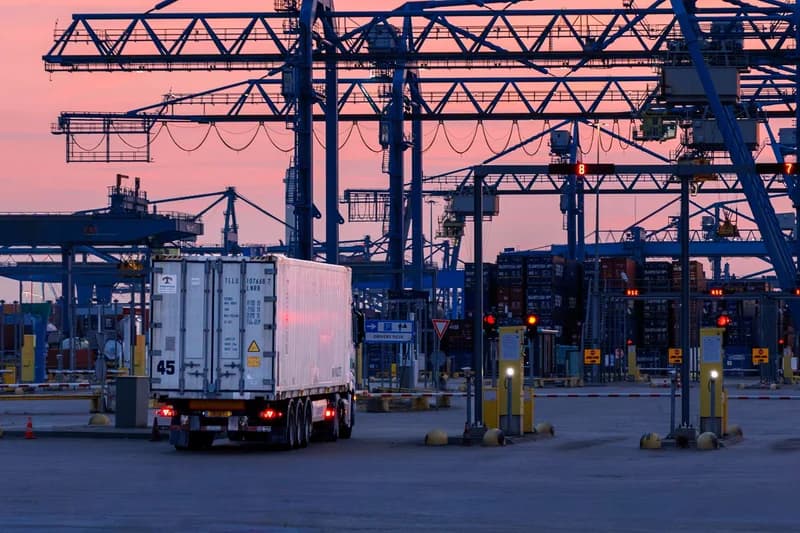
J.B. Hunt Q2 2026 earnings came in above consensus as record Intermodal activity combined with companywide growth and a leaner expense base. The quarter showed measurable operating progress, while management identified contract pricing as the main opportunity still ahead.
Profit and revenue both finished above consensus
For the second quarter, J.B. Hunt Transport Services recorded diluted earnings of $1.91 per share. Wall Street’s estimate had been $1.73, leaving an upside difference of $0.18, or 10.4%.
The revenue comparison was also favorable. The company produced $3.5 billion against the $3.23 billion analysts expected. That placed the result $270 million, or 8.36%, beyond consensus.
Improvement extended beyond the headline beat. Compared with the corresponding quarter a year earlier, revenue was 19% higher, operating income expanded 32%, and diluted EPS advanced 45%. Intermodal, Integrated Capacity Solutions, and J.B. Hunt Trucking all contributed growth.
The quarter’s principal figures included:
$3.5 billion of revenue, a year-over-year increase of 19%.
Diluted EPS of $1.91, representing 45% annual growth.
Operating income growth of 32% from the prior-year period.
A reduction of more than $135 million in recurring structural expense across the preceding 12 months.
Return on equity of 17% for the trailing 12-month period reported as of Q1 2026.
A market value of $25.84 billion.
The result was supported by several operating changes rather than one exceptional item. More freight moved through the network, the company continued taking share, and earlier cost actions became more visible in the financial performance.
Intermodal reached a new quarterly high
J.B. Hunt moved over 578,000 Intermodal loads during the period, establishing a company record for a single quarter. The segment also achieved double-digit annual volume growth for the first time in over 10 years.
Activity increased on both major parts of the network. Eastern traffic was 16% above the year-earlier level, while Transcon traffic improved 5%. Management said the company’s service growth exceeded that of the broader market and resulted in additional market share.
Safety indicators moved in the same direction. Measured through the end of the second quarter, year-to-date DOT preventable accidents per million miles improved 11% from the comparable prior-year figure.
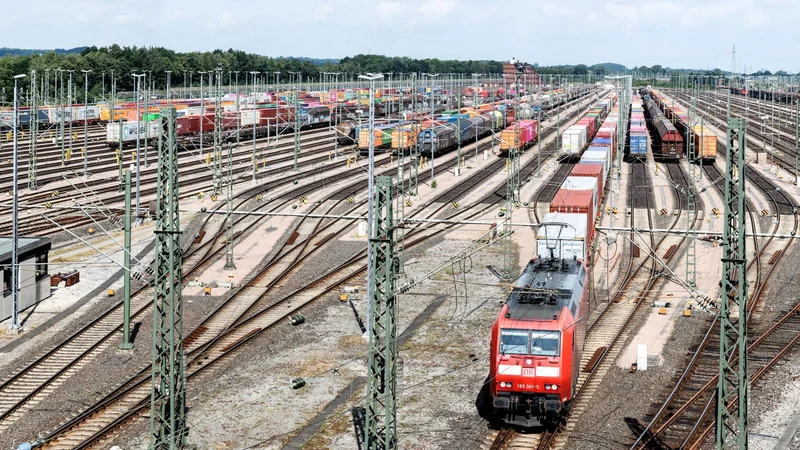
Intermodal processed over 578,000 loads during the quarter, establishing a company record.
Several freight-market changes supported Intermodal demand. The pool of available drivers tightened, spot-market rates moved upward, and carriers rejected more tenders. Executives said these conditions made Intermodal service increasingly attractive to shippers seeking dependable capacity at a lower cost.
Existing equipment provides room for further expansion. J.B. Hunt can place more freight into its current container fleet and intends to assess utilization, turns, and customer demand before committing to substantial equipment purchases. Its railroad partners are assisting with growth, although executives acknowledged that rapid bursts of freight can briefly disrupt service.
Four years of preparation lowered the cost base
Chief Executive Shelley Simpson said the company prepared for the freight cycle over a four-year period instead of waiting for conditions to improve. Management linked that preparation to the market-share gains now appearing across its services.
Cost reduction formed a central part of the work. During the last year, J.B. Hunt eliminated structural expenses totaling more than $135 million while continuing to fund future expansion.
Chief Financial Officer Brad Delco said the underlying cost required to serve customers has been permanently reduced. Management believes that change is opening growth opportunities and moving the business toward its margin objectives before a complete recovery in pricing.
For J.B. Hunt Q2 2026 earnings, the combination of rising volume and lower recurring expense explains much of the operating improvement. Management indicated that these two sources have now delivered a large portion of their anticipated margin benefit.
Contract pricing is the next source of opportunity
With efficiency work and volume growth already contributing, Intermodal President Darren Field pointed to price as the remaining area with significant potential. Management’s outlook for the 2027 bidding cycle is more constructive than it was several months ago.
The relative cost spread between rail and highway transportation has grown. Some Intermodal contracts were established under older freight conditions, so their rates do not fully reflect the current market. Executives expect that difference to compress as agreements renew and customers adopt updated pricing.
J.B. Hunt expects demand to remain firm if capacity conditions stay tight. The company also anticipates that limited driver availability will persist for an extended period, potentially encouraging more shippers to convert freight to Intermodal.
Management plans to remain selective on returns while pursuing this growth. Available containers allow the company to add customer volume, but pricing quality and service performance remain part of each capacity decision.
Growth did not translate evenly across segments
J.B. Hunt Trucking increased its revenue by 35%, but gross profit dollars declined 12%. More expensive third-party transportation capacity weighed on the segment and could continue creating pressure.
Dedicated Contract Services encountered a fuel-related margin drag of roughly 100 basis points. Management expects the Dedicated fleet to expand in 2026, although operating income is projected to grow only modestly until the added trucks make a fuller contribution.
The Dedicated sales pipeline has reached a record. Executives attributed customer interest to regulatory pressure, scarce drivers, and demand for transportation capacity that offers greater reliability.
The operating risks remain specific and measurable:
Fuel fluctuations can alter margins in Dedicated Contract Services.
Driver scarcity may lead to higher wages and larger signing incentives across freight transportation.
Elevated purchased-transportation rates can continue affecting J.B. Hunt Trucking.
Competition is still unusually aggressive on certain Transcon routes.
Network expansion can strain capacity management and service quality when freight conditions change quickly.
A constrained driver market creates a mixed effect. It can raise labor-related costs, but it can also strengthen demand for Dedicated offerings and encourage Intermodal conversion. J.B. Hunt’s results will depend on its ability to manage both sides of that environment.
The earnings release reversed the stock’s decline
Before the report, J.B. Hunt shares ended regular trading 1.63% lower at $276.28. The after-hours price then gained $21.17, reaching $297.45. Measured from the regular close, that was a 7.66% increase.
The post-market price also stood above the earlier 52-week peak of $294.98. Freight equities had experienced volatility as investors looked for evidence that volume and pricing were entering a more durable recovery.
J.B. Hunt’s update provided record Intermodal activity, broad financial improvement, and a more favorable pricing outlook. The reaction followed a report in which higher revenue, increased operating income, and cost control appeared together.
Analysts focused on capacity and durability
Questions during the earnings call tested how long the recent volume acceleration might last and how quickly pricing could adjust. The discussion covered:
The additional freight that can be handled with the current container fleet.
The timing of Intermodal repricing relative to truckload rates.
Container use, drayage performance, and railroad service during sharp demand increases.
Insurance developments and how the Montgomery decision may influence carrier selection.
The record Dedicated pipeline and the pace at which new trucks will contribute.
Management said container availability is sufficient to support more customer growth. Major equipment commitments will wait until demand and asset turns become clearer.
Analysts also examined whether Intermodal can narrow its pricing difference with truckload service. Executives said older agreements helped create the present gap and expect the spread to move closer as the market resets.
FAQs
How far did J.B. Hunt exceed earnings expectations? Diluted EPS was $1.91 compared with the $1.73 consensus, producing an upside surprise of $0.18 per share, or 10.4%.
What made the Intermodal quarter notable? The segment processed over 578,000 loads, set a quarterly company record, and generated its first double-digit annual growth rate in more than 10 years.
Where does management see the next improvement? Executives view contract price as the principal remaining opportunity, particularly as J.B. Hunt approaches the 2027 bid season.
Pricing will determine the next phase
J.B. Hunt paired record Intermodal volume with stronger revenue, earnings, and operating income while operating from a reduced structural cost base. Management has capacity for more growth, but the next stage rests on disciplined repricing, reliable service, and control of fuel, labor, and third-party transportation costs.
Worth the read?