SSAB Q2 2026 Results Put Pricing First
SSAB’s pricing and shipment gains lifted second-quarter profit, while extensive maintenance and lower volumes are set to weigh on third-quarter performance.
SSAB Q2 2026 results showed that firmer pricing and higher shipments improved profitability, but the next quarter will carry a much heavier maintenance burden. The central question is whether price realization can absorb weaker volumes, rising costs, and a planned operational slowdown.
Pricing carried the quarter
Second-quarter sales totaled SEK 27.5 billion. The comparable 2025 period produced SEK 25.6 billion. EBITDA reached SEK 3.8 billion, a 19% sequential increase from SEK 3.2 billion, while the year-over-year margin moved from 12% to 14%.
SSAB shipped 1.76 million tonnes of steel during the period. A year earlier, the comparable volume was 1.708 million tonnes. Higher shipments helped, but management’s sequential earnings bridge identified price realization as the dominant factor. Price changes supplied SEK 1,230 million of the improvement in adjusted operating profit.
Volume contributed another SEK 160 million, and better capacity use supplied SEK 105 million. Cost increases absorbed part of those gains. Variable expenses created a SEK 510 million drag, while fixed expenses reduced the improvement by SEK 490 million. Adjusted operating profit consequently advanced to SEK 2,695 million from SEK 2,201 million in Q1.
The annual bridge told much the same story. Price effects contributed SEK 590 million, volume supplied SEK 330 million, and utilization added SEK 155 million. The offsets were SEK 145 million from variable expenses, SEK 300 million from fixed expenses, and SEK 76 million from unfavorable currency movement.
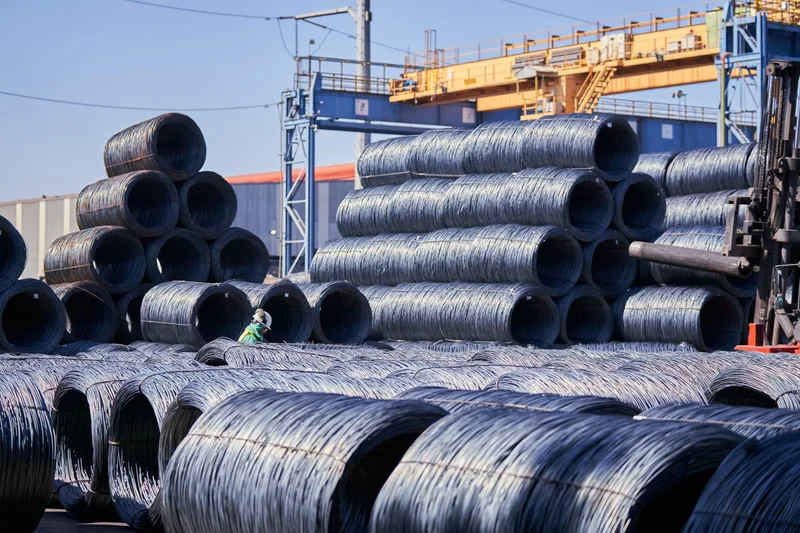
Higher realized prices and shipments supported the second-quarter earnings improvement.
Divisional gains came from different sources
Europe generated EBITDA of SEK 1,166 million after recording SEK 961 million in the first quarter. Shipments increased 1% and reached 930,000 tonnes. Prices improved 3% sequentially. Advanced automotive steel sales set a division record even though management remained cautious about the surrounding market.
The Americas business raised EBITDA to SEK 780 million from SEK 637 million. Its shipment volume was 473,000 tonnes, representing a 3% sequential gain, and prices advanced 7%. Additional variable expenses consumed some of the pricing benefit, but management continued to see relatively firm regional demand.
Special Steels held shipments at 358,000 tonnes. EBITDA eased to SEK 1,777 million after reaching SEK 1,842 million in Q1. A 1% price increase was insufficient to offset higher expenses, although management described specialty-product demand as relatively good.
The distribution and construction operations improved as well. Tibnor raised EBITDA from SEK 128 million to SEK 190 million with support from inventory effects and better prices. Ruukki Construction recovered from a SEK 4 million first-quarter loss to positive EBITDA of SEK 101 million. Seasonal improvement helped, but its margin remained below the prior-year result amid weak market conditions.
Safety indicators reached company lows
The financial improvement coincided with SSAB’s strongest reported safety measurements. Lost Time Injury Frequency declined from 0.56 in 2025 to 0.38. Total Recordable Injury Frequency reached 4.1. Each reading marked a company record.
Safety is particularly relevant while SSAB operates its current asset base and manages several large construction projects. Precautionary interruptions at Luleå slowed work temporarily to protect working conditions. Management has kept those controls in place without changing the project’s approved budget or timetable.
Cash flow supported heavy strategic spending
The business generated SEK 3.7 billion in operating cash flow. A SEK 488 million improvement in working capital contributed to that amount. SSAB allocated SEK 512 million to maintenance investment and SEK 954 million to strategic projects, leaving SEK 1.8 billion before dividend distributions. Shareholders received SEK 2.0 billion during the quarter.
Net cash finished the period at SEK 8.6 billion, down from SEK 11.6 billion at the close of 2025. Dividends and strategic investments primarily explained the reduction. The ratio of net debt to equity was negative 12%, comfortably within management’s permitted band of negative 20% through positive 20%.
In July, Moody’s Ratings gave SSAB investment-grade status. The agency set the long-term issuer grade at Baa2 and paired it with a stable outlook. That assessment supports management’s position that the balance sheet can carry the current transformation program.
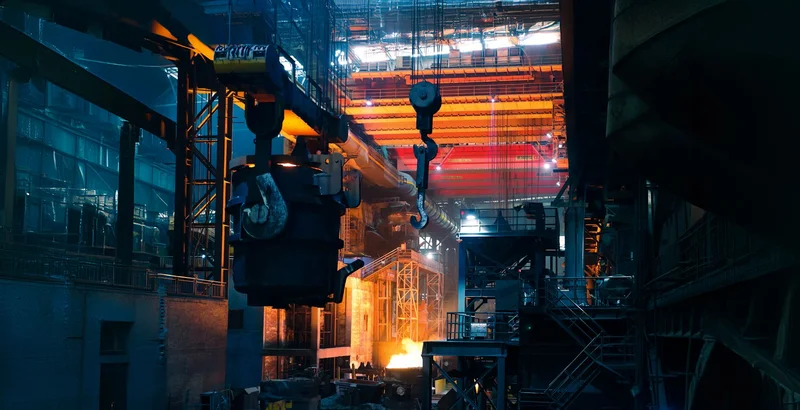
SSAB is directing substantial capital toward electric steelmaking and premium-product capacity.
Electric steelmaking remains the strategic center
Oxelösund’s conversion to electric arc furnace technology is progressing. The furnace is being installed, and work on the associated power-line system is nearing completion. Management continues to plan for production to commence during Q2 2027.
Ground preparation is continuing at Luleå. Safety-related pauses caused temporary delays in day-to-day work, but SSAB says the overall schedule and spending plan remain intact. The future mini-mill is a central part of the company’s effort to strengthen its premium-product position.
SSAB will also spend SEK 3.3 billion over four years on an Oxelösund quenching line. The first phase is designed to provide roughly 100,000 tonnes of capacity, with production targeted for 2030. It will support expansion in advanced wear-resistant and protective steels, including Hardox 500Tuf and Armox. The design also permits more capacity to be added later.
The investment already formed part of the strategic framework disclosed at SSAB’s 2025 Capital Markets Day. Management expects favorable payback. More immediately, the line supplies the processing capability required to expand several of the company’s higher-profit products.
Management left its 2026 investment budget unchanged at SEK 13.5 billion. Strategic projects account for SEK 10.5 billion, compared with SEK 7.2 billion in 2025, largely because of the Luleå mini-mill. Another SEK 3.0 billion is allocated to maintenance investment, a level broadly consistent with last year.
Trade barriers are regionalizing steel markets
SSAB is pursuing these investments as steel trade policy becomes more restrictive. In 2025, the United States doubled its steel tariff from 25% to 50%. The lower rate had applied since 2018. Stronger melt-and-pour rules are further encouraging manufacturers to keep production within regional supply networks.
Europe implemented new protections on July 1, 2026. They permit 18.3 million tonnes of steel imports each year without tariffs, divided among 30 product groups. Volumes beyond the relevant quotas face a 50% duty. Europe’s carbon-border system also started operating in 2026, placing a carbon charge on imports that corresponds with the standards imposed on EU producers.
Trade protections do not eliminate input-cost exposure. Using the fourth quarter of 2024 as an index base of 100, iron ore and coking coal had fallen to approximately 80–90 by Q2 2026. Even with that decline, management anticipates somewhat higher third-quarter costs for Europe and Special Steels, partly because alloys are becoming more expensive. The Americas division should see comparatively stable raw-material expenses.
Maintenance will dominate the third quarter
The largest near-term constraint visible in the SSAB Q2 2026 results is the planned maintenance program. All three steel operations will undergo work in Q3, creating an estimated SEK 800 million expense.
The outages will restrict output. Europe and Special Steels each expect shipment volumes to fall by more than 10%. Management projects a 5%–10% decline for the Americas business. Earlier price increases should lift realized pricing modestly in each division, but this benefit will meet both lower production and normal seasonal weakness.
SSAB now expects 2026 maintenance expense of SEK 1,450 million. The corresponding 2025 amount was SEK 1,410 million. With SEK 800 million scheduled for Q3, most of this year’s maintenance impact is compressed into one reporting period.
This is also where the second-quarter earnings pattern may become less effective. Pricing absorbed substantial cost pressure in Q2, but the next quarter will have materially fewer tonnes available for sale. Better realized prices therefore must operate across a smaller shipment base.
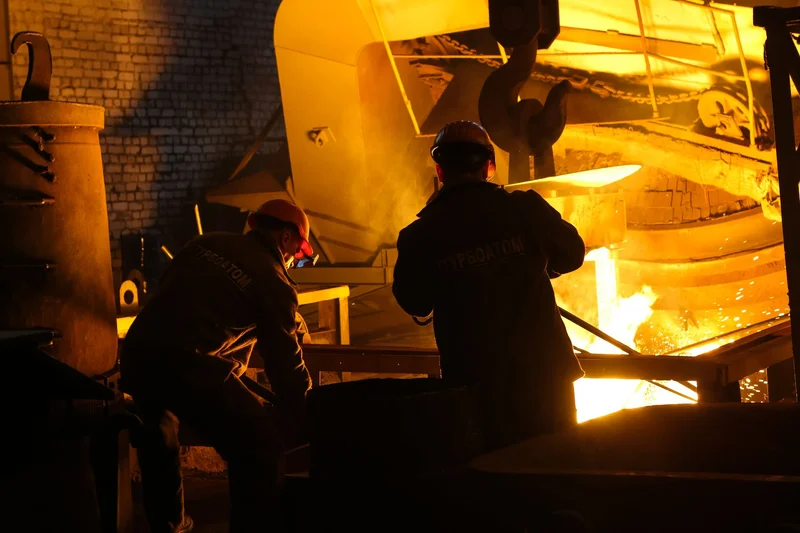
The third-quarter maintenance program will lower shipments across all three steel divisions.
Demand varies sharply across customer groups
Energy demand remains strong. European wind projects are supporting activity, while transmission, oil, and gas work is contributing in the United States. Mining-related material handling is another area where management continues to see healthy demand.
Heavy transport is neutral in aggregate. European heavy trucks are providing encouraging indications, and U.S. shipbuilding and rail markets remain active. Construction is also rated neutral, although underlying activity is still low.
Automotive and construction machinery are the weaker areas. Vehicle-sector demand remains soft, particularly in Europe, despite long-term growth in advanced high-strength steel applications. Construction-equipment demand is weak as well, though management has observed some improvement in Europe and North America.
Service-center conditions are split by region. Activity remains good in the United States. European customers, by contrast, are expected to reduce inventories. That divergence is consistent with management’s relatively strong assessment of the Americas and its more guarded description of Europe.
The balance sheet must carry the transition
Chief Executive Johnny Sjöström believes blast-furnace production may become nearly impossible to sustain in Europe after 2040. That expectation explains the urgency behind the electric furnace and mini-mill projects. SSAB intends for these assets to reduce production emissions and increase capacity for premium steel categories.
Chief Financial Officer Leena Craelius focused on the company’s improved Q2 cash generation and positive net cash balance. Both are important because SSAB must finance a large strategic program while managing maintenance shutdowns, higher operating expenses, and uneven end-market demand.
The quarter consequently delivered two separate signals. Existing operations benefited from stronger pricing, increased shipments, and more productive capacity use. The coming period requires SSAB to protect those gains while accepting temporarily lower output and continuing several capital-intensive industrial projects.
The conclusion is measured. Q2 produced higher earnings, solid cash generation, and improvement across most operating units. Q3 will show how much of that progress remains when maintenance reduces shipments throughout the steel portfolio. Beyond the temporary disruption, SSAB’s strategic direction is unchanged: modernize production and expand the advanced products management considers most profitable.
Worth the read?