Iran Ceasefire Talks Face a Hormuz Test
U.S.-Iran diplomacy remains open but fragile as renewed attacks around the Strait of Hormuz test shipping security, oil flows, and a disputed ceasefire.
Diplomacy between the United States and Iran remains active but unstable after renewed attacks around the Strait of Hormuz placed shipping security, regional air defenses, and the 60-day ceasefire under immediate pressure.
Negotiations Are Paused, Not Abandoned
The status of the talks is contested. One Pakistani participant in the diplomatic process told MS NOW that discussions had been paused. Representatives from each side were still in Switzerland and could resume work once they received authorization.
The source did not identify who initiated the pause. A senior Trump administration official gave a different account, saying the process had not been canceled and that technical work on the memorandum of understanding would proceed as scheduled.
CNBC later received confirmation from an American official that technical discussions covering the MOU were still expected to continue. The same official said both parties would temporarily stop attacks and allow vessels to travel without obstruction.
Axios separately reported that Washington and Tehran had agreed to halt strikes and meet later in the week. CNBC had not independently verified that report.
The diplomatic channel is still open, but the gap between a temporary stand-down and a durable ceasefire remains wide.
Commercial Shipping Triggered the Latest Exchange
The latest U.S. response followed reported attacks on vessels in the Strait of Hormuz. U.S. Central Command said fighter jets hit 10 Iranian military sites in and around the waterway early Sunday.
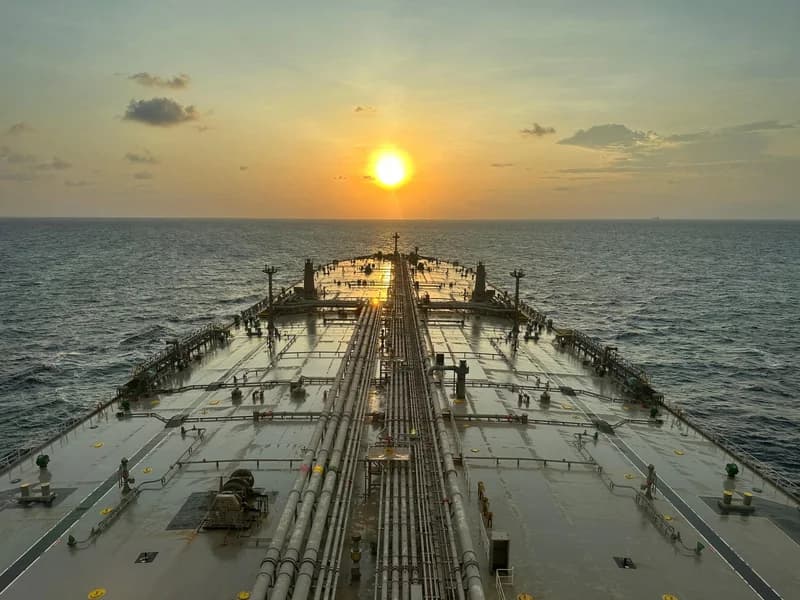
According to Central Command, the operation answered a drone attack on the Panamanian-flagged M/T Kiku. Its cargo exceeded two million barrels of crude as it passed through the strait.
The U.S. targets included coastal radar, air-defense positions, communications and surveillance systems, drone-storage sites, and minelaying capabilities.
President Donald Trump said the strikes were a response to another ceasefire breach. His public language also escalated. He warned that further conflict could lead the U.S. to finish its military campaign and threatened the continued existence of the Islamic Republic. That followed earlier statements in April and May invoking the destruction of Iran, nuclear risk, and a return to the "stone age."
The rhetoric matters because it reduces the room for error while military forces and negotiators are operating on separate timelines.
Kuwait and Bahrain Became Part of the Conflict
Tehran said Sunday that its forces targeted American military positions located in Kuwait and Bahrain after U.S. attacks on Iran's coastal facilities.
Kuwait's military reported that its defenses were responding to missiles and drones. Bahrain's Foreign Ministry said its territory had again been targeted by ballistic missiles and drones, describing the episode as a serious escalation and part of a repeated pattern.
The United Arab Emirates and Qatar condemned the attacks on Kuwait and Bahrain as violations of sovereignty and international law. Both countries had also experienced repeated Iranian projectile attacks. Saudi Arabia issued its own condemnation and included threats to navigation in the Strait of Hormuz.
The regional response shows that the conflict is no longer confined to direct U.S.-Iran exchanges. Every additional country exposed to missiles or drones raises the political cost of keeping the ceasefire intact.
Oil Prices Followed Vessel Traffic, Not Rhetoric
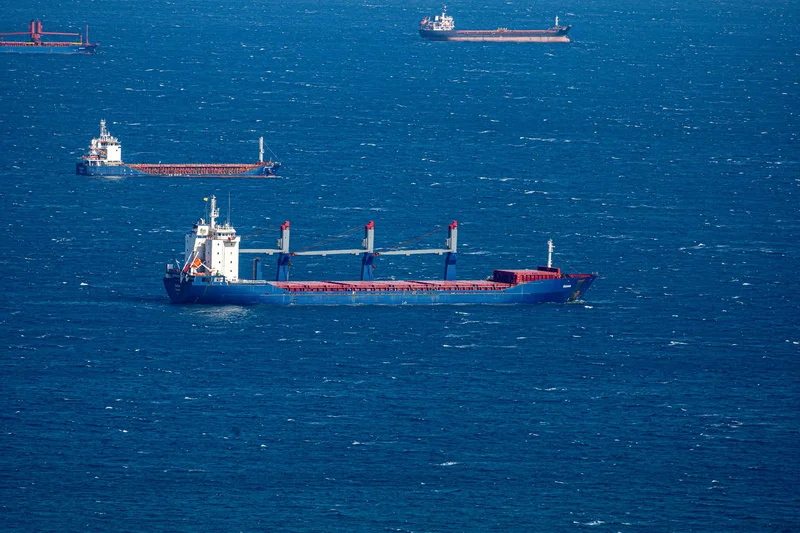
Despite the attacks, Central Command said commercial traffic continued through the strait. Oil prices also extended their decline on Friday as additional tankers left the waterway, reducing immediate concern about supply disruption.
August Brent crude settled 4.34% lower at $71.99 per barrel. August West Texas Intermediate lost 3.74% and closed at $69.23. WTI had not finished below $70 since February 27, the day before the Iran war began.
That price action did not signal that the geopolitical risk had disappeared. It showed that physical transit remained the stronger input at that moment. The market saw more vessels moving and priced less immediate disruption.
That interpretation fails if shipping traffic slows, vessels sustain further attacks, or access through the strait becomes unreliable. In that case, supply risk would move from a headline concern to a physical constraint.
The Ceasefire Has Never Produced Stable Conditions
The United States and Iran were supposed to be operating under a 60-day ceasefire while negotiating an end to the war. Both governments have accused the other of violating the arrangement.
American forces carried out Friday's attack after Trump blamed Tehran for breaking the ceasefire with drone operations against vessels. One day earlier, Iran hit the Singapore-flagged Ever Lovely near Oman, according to Central Command. The cargo ship continued through the strait after the attack.
Trump and Iranian President Masoud Pezeshkian had signed an MOU over a week earlier, intending it to establish a path toward permanent peace.
The current position is therefore conditional. Negotiators remain available, technical work may continue, and ships are still moving. None of those facts removes the military risk. A credible de-escalation requires the reported stand-down to hold long enough for the MOU process to produce more than another temporary pause.
Worth the read?